Transform Your Garden into a Wildlife Haven with Expert Landscaping Techniques Apr 05, 2026
Start by understanding your local ecosystem. Different wildlife species thrive in various environments, and recognizing what naturally occurs in your region can provide valuable insights for your garden design. At Brumblebee's, we suggest conducting a little research on native plants and creatures to determine which ones you'd like to attract. Native plants are well adapted to local soil and climate conditions, reducing the need for artificial fertilizers and pesticides, and they provide food and shelter for native wildlife.
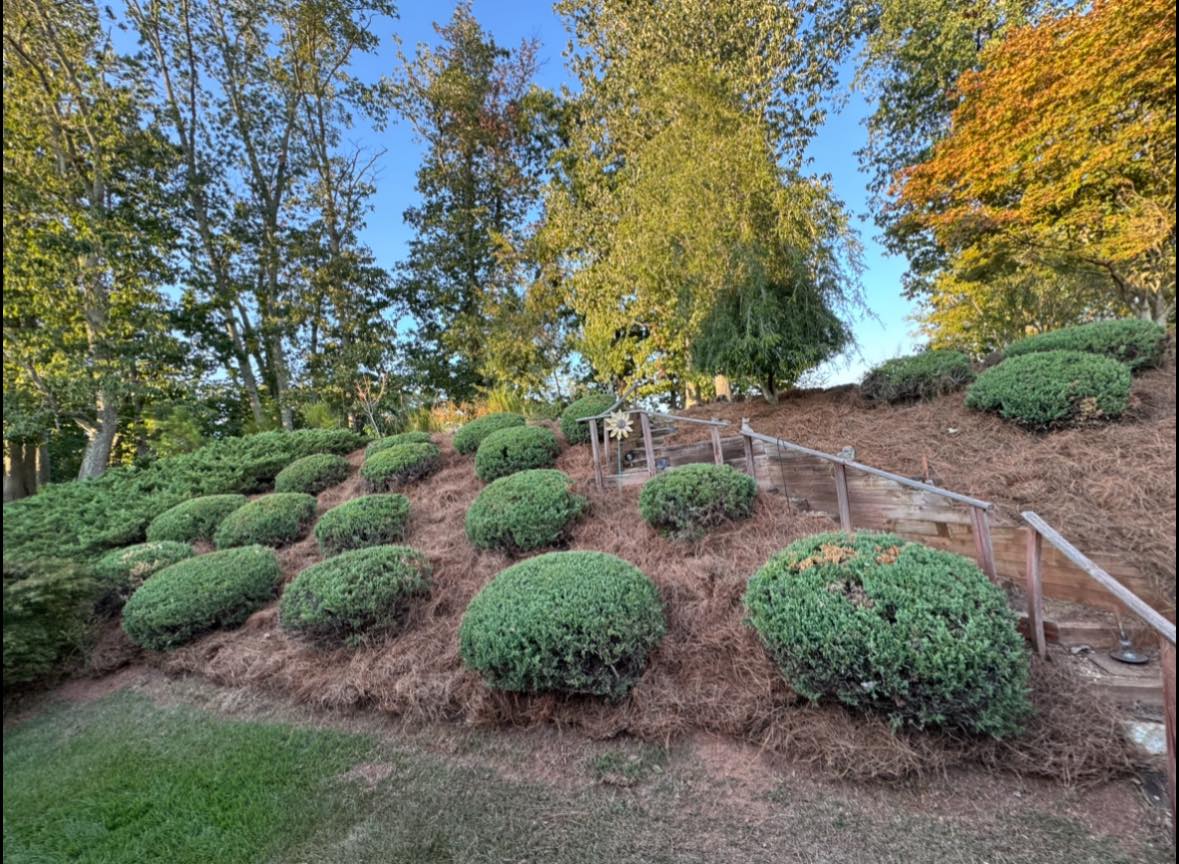
One of the most effective ways to attract a diverse range of wildlife is by incorporating a variety of plants that provide different textures, heights, and flowering times. Trees, shrubs, and flowering perennials can create layers that offer habitats and food sources year-round. Consider creating a hedgerow or planting clusters of shrubs that add variety and depth. This not only supports biodiversity but also enhances the visual appeal of your landscape.
Water features can also play a critical role in your garden transformation. Ponds, birdbaths, or small water fountains can attract birds, amphibians, and insects. When installing a pond, consider adding rocks or a gentle slope to provide safe access for creatures big and small. Ensure the water is clean and fresh, as stagnant pools can become breeding grounds for pests. Brumblebee's Landscaping can assist with the planning and installation of water features that suit your space.
Mulching is another beneficial technique that supports both plant health and wildlife. A layer of mulch helps retain moisture, suppress weeds, and provide habitat for beneficial organisms like earthworms and insects. Choose natural, organic materials such as bark or wood chips for mulching, which not only promote biodiversity but also improve soil structure over time.
To further cater to local wildlife, consider building or purchasing birdhouses, bat boxes, or insect hotels. These additions can provide safe shelter and nesting areas. Position them in safe, quiet areas of your garden to minimize disturbances. Attracting pollinators like bees and butterflies is vital for a thriving ecosystem, so integrating nectar-rich plants such as lavender and coneflowers can boost your garden’s wildlife appeal.
Sustainable practices such as composting can enhance soil health while reducing household waste. Compost bins offer a place for organic waste to decompose, creating nutrient-rich soil for your garden beds. This eco-friendly approach complements other wildlife-attracting strategies, encouraging a self-sustaining garden environment.
Finally, patience and observation are key. Allow your garden to mature naturally and watch as wildlife gradually makes its home among your plants. You don’t have to transform your garden overnight; incremental changes are perfectly acceptable and often more manageable.
In conclusion, with thoughtful planning and expert techniques, your garden can become a sanctuary for local wildlife while maintaining its beauty and functionality. At Brumblebee's Landscaping & Cleaning Services, we are committed to helping you create a garden that enriches your life and supports the natural world. By embracing native plants, water features, and sustainable practices, your outdoor space can be a thriving haven for both you and the wildlife you cherish.
/filters:no_upscale()/filters:format(webp)/media/913261a3-8142-4d9f-bdf0-99cc655f6a79.jpeg)
/filters:no_upscale()/filters:format(webp)/media/0c02cc11-7fc5-4c2f-b307-2c6c3559dd49.jpeg)