The Role of Texture in Landscaping: Creating Depth and Dimension in Your Outdoor Space Apr 11, 2026
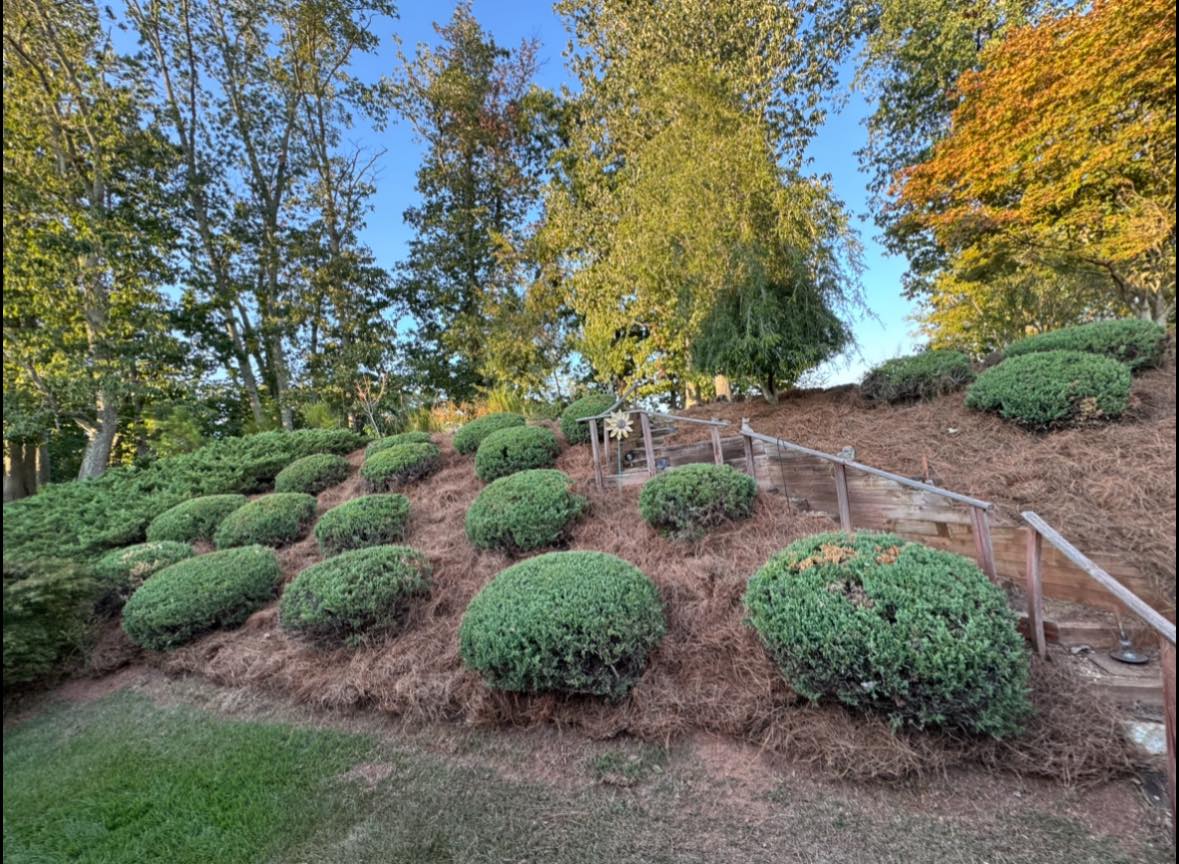
Texture in landscaping refers to the surface quality of plants, hardscaping materials, and structures. It’s what gives a garden visual interest, preventing it from appearing flat and monotonous. By carefully selecting and combining various textures, from the feathery softness of ornamental grasses to the ruggedness of stone pathways, you can create a dynamic and inviting space.
Plant texture is categorized into fine, medium, and coarse. Fine-textured plants have small leaves or delicate stems, adding a sense of airiness and movement to the landscape. Think of herbs like lavender or plants with small blooms. They can soften hard edges and provide contrast against coarser specimens. Medium-textured plants, such as many shrubs and large perennials, serve as transitional elements, blending fine and coarse textures together seamlessly. Coarse-textured plants boast large, bold leaves or thick stems, commanding attention and anchoring the landscape. These plants, like hostas or large ferns, provide a focal point and add dramatic interest.
Hardscaping also benefits from textural variation. Incorporate materials like stone, wood, and metal to craft pathways, patios, or walls that offer tactile and visual diversity. Rough surfaces such as gravel or unpolished stone introduce contrast to smooth planters or polished tiles, contributing to a well-rounded design theme. Mixing natural and manufactured elements can further enhance the textural landscape, providing a balance between sleek modernity and rustic charm.
Texture affects not just the visual appeal but also how people interact with your garden. Consider how different textures feel underfoot or against the skin; a smooth bench invites you to sit and enjoy the surroundings, while a jagged rock garden could deter children from play. Using texture strategically can guide movement through the space, creating destinations and focal points that encourage exploration.
Creating a balanced landscape involves more than randomly adding diverse textures. At Brumblebee's Landscaping & Cleaning Services, we emphasize the importance of contrast and repetition. Contrast brings out visual interest, while repetition offers cohesiveness. For example, repeating a coarse texture in various elements throughout the garden can unify the design, while introducing occasional fine textures can provide surprising highlights.
Moreover, seasonal changes present another opportunity to play with texture. Choose plants and hardscape materials that showcase subtle transformations with the seasons. The shift from lush summer fullness to the skeletal beauty of winter can offer ongoing interest and maintain a dynamic outdoor environment.
Understanding the role of texture in landscaping allows you to cultivate an outdoor oasis that's inviting and picturesque. For personalized advice or to start transforming your outdoor space, Brumblebee's Landscaping & Cleaning Services is ready to help. We specialize in creating landscapes that not only enhance your home's curb appeal but also reflect your unique style and needs.
In conclusion, texture is a powerful tool in landscaping that can elevate your garden from simple to spectacular. Embrace variety, balance, and seasonal changes to craft a rich tapestry of elements that engage the senses and welcome you into nature's embrace. Reach out to Brumblebee's today to start your journey toward a beautifully textured landscape.
/filters:no_upscale()/filters:format(webp)/media/913261a3-8142-4d9f-bdf0-99cc655f6a79.jpeg)
/filters:no_upscale()/filters:format(webp)/media/0c02cc11-7fc5-4c2f-b307-2c6c3559dd49.jpeg)