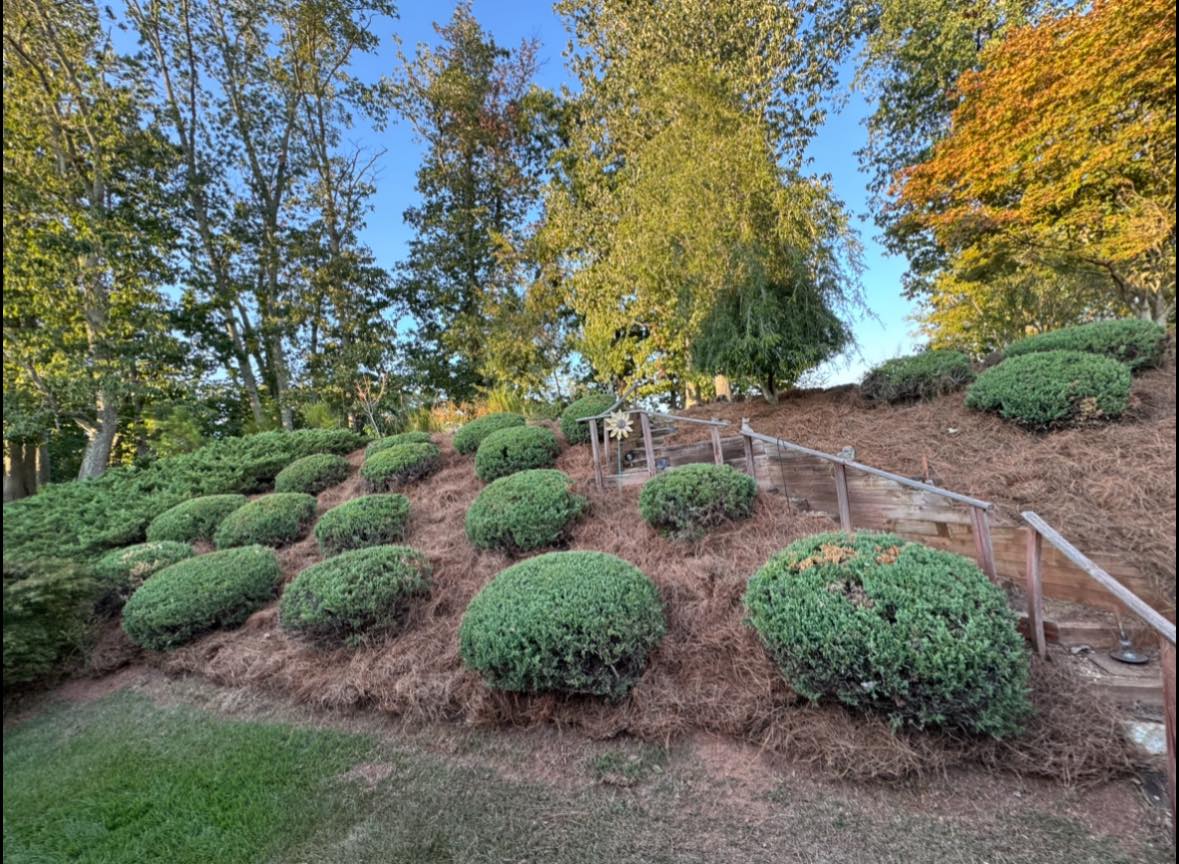
Lush Lawns Made Easy: Brumblebee's Guide to Year-Round Lawn Perfection Nov 29, 2025
Begin with a comprehensive lawn assessment. Understanding your lawn's specific needs is fundamental to implementing effective care. Evaluate factors like soil type, grass species, and existing problem areas. This assessment helps tailor your lawn care routine to address any unique challenges effectively.
Once you have a clear understanding of your lawn's requirements, the next crucial step is soil preparation. Healthy soil is the foundation of any thriving lawn. It’s important to test the soil's pH level using a simple soil test kit, readily available at garden centers. Ideally, a pH level between 6.0 and 7.0 is best for most grass types. If your soil is too acidic or alkaline, amendments like lime or sulfur can easily balance it.
Fertilization is another critical element in nurturing a verdant lawn. Fertilize your lawn at least twice a year, during spring and fall, with a high-quality, slow-release fertilizer. This approach ensures nutrient availability over an extended period, supporting healthy growth without the risk of over-fertilization. At Brumblebee's Landscaping & Cleaning Services, we recommend customized fertilization plans tailored to the specific grass variety and local climate conditions for optimal results.
Watering practices also play a vital role. Lawns generally require about an inch of water per week. However, this can vary depending on your location and grass type. Water your lawn early in the morning to minimize evaporation and fungal diseases. During cooler months, adjust watering schedules as needed, reducing frequency to prevent overwatering, which can lead to root rot and mold issues.
Mowing is often overlooked but significantly impacts lawn health. Set your mower blades to the optimal height for your grass type—typically between two to four inches. Always mow with sharpened blades to ensure a clean cut, as jagged cuts made by dull blades can damage the grass, making it more susceptible to disease. Remember to leave grass clippings on your lawn when possible; they decompose quickly and return valuable nutrients to the soil.
Proper seasonal maintenance is critical for sustaining a lush landscape. During the fall, consider aerating your lawn to alleviate soil compaction and enhance root penetration. Overseeding areas with sparse grass growth can help maintain uniformity and improve overall lawn resilience. In the winter, keep foot traffic to a minimum to prevent soil compaction and root damage. Springtime is ideal for applying pre-emergent weed control to curb weed growth before it becomes problematic.
Finally, embracing sustainable lawn care practices goes a long way in promoting environmental health and lawn vitality. Composting yard waste, opting for natural pest control methods, and reducing chemical pesticide use are excellent ways to make your lawn care routine more eco-friendly.
Achieving a beautiful lawn year-round is entirely possible with the right approach and dedication. With guidance from Brumblebee's Landscaping & Cleaning Services, your journey to lush, green lawns can be made simple and rewarding. Follow these expert tips and enjoy the tranquility and satisfaction of a perfectly manicured landscape every season. By investing consistent care into your lawn, not only will you enhance your home's curb appeal, but you will also create a sustainable outdoor space for your family to enjoy.
/filters:no_upscale()/filters:format(webp)/media/913261a3-8142-4d9f-bdf0-99cc655f6a79.jpeg)
/filters:no_upscale()/filters:format(webp)/media/0c02cc11-7fc5-4c2f-b307-2c6c3559dd49.jpeg)