Designing for All: Inclusive Landscaping Ideas to Enhance Accessibility in Your Yard Apr 21, 2026
Understanding the need for inclusive landscaping is the first step. Landscaping should cater to varied needs, ensuring pathways are easily navigable, plant beds are within reach, and seating areas are accessible and comfortable for all. Achieving this requires a thoughtful approach where the physical limitations of different family members or guests are taken into account.
One of the primary features of an accessible outdoor space is the pathway. Clear, wide paths are crucial, allowing easy navigation for wheelchairs, walkers, or those with strollers. Opt for materials such as pavers or compact gravel that provide a stable and level surface. Avoiding uneven terrains or harsh steps ensures safety and comfort. Consider integrating ramps with gentle slopes where necessary, and ensure those areas are well-lit for nighttime use.
Garden beds are another area where inclusivity can be manifested. Raised garden beds are perfect for individuals who may have difficulty bending down. Elevated beds allow for easy access to plants and flowers without straining the back or knees. Arrange these beds strategically to enhance the visual appeal while maintaining functionality. Vertical gardening is another excellent option, which not only saves ground space but also places plants at eye level.
Seating in the yard should prioritize comfort and accessibility. Incorporate a variety of seating options that include benches with backs, chairs with armrests, and even hammock swings for those who prefer a more leisurely approach. Ensure that pathways to seating areas are clear and wide enough for wheelchairs or other mobility aids. Stability and sturdiness in seating furniture are essential to prevent accidents and enhance usability for all ages and capabilities.
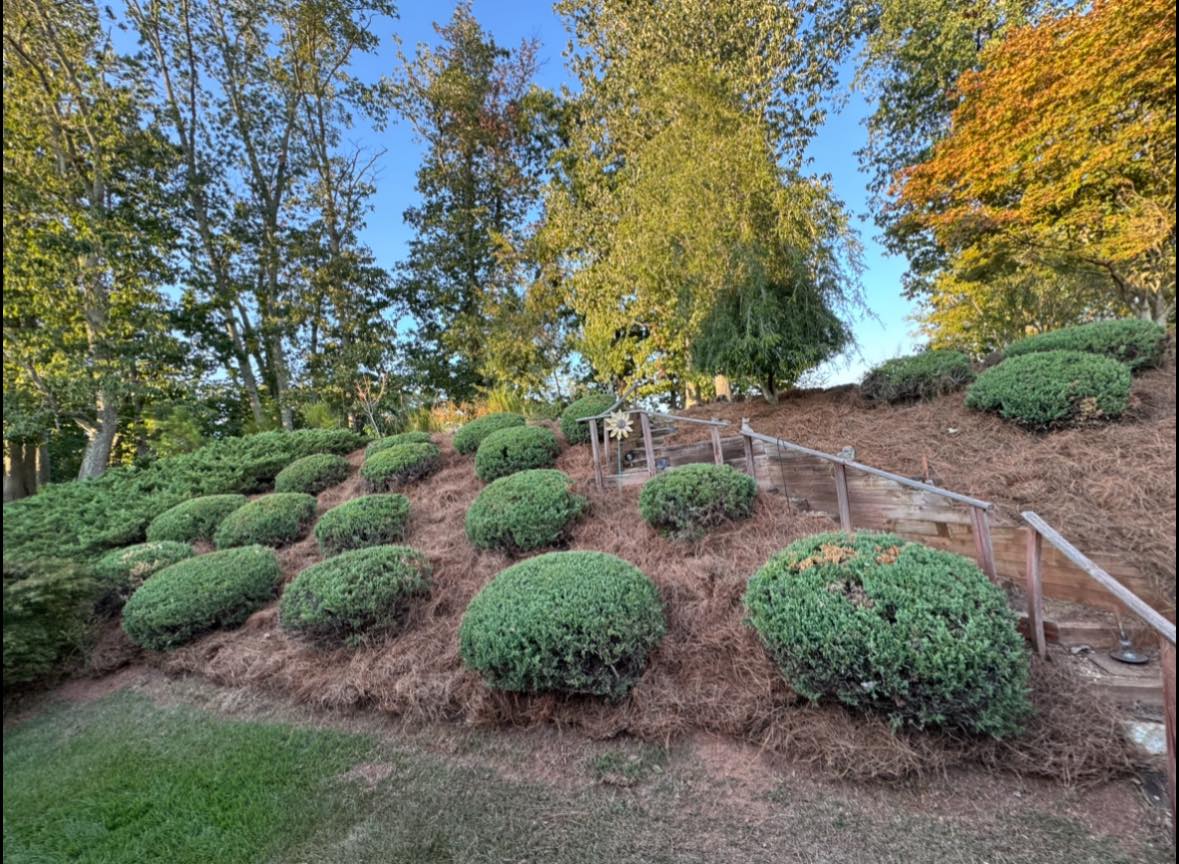
Inclusion should also be extended to children and elderly members of the family. Incorporate features that align with their unique needs and preferences. For children, a safe play area with visual separation from other garden elements can provide security and enjoyment. For seniors, consider adding handrails along steps or steeper paths to offer support and confidence.
Apart from structural features, the selection of plants plays a significant role in creating an inviting and accessible garden. Choose plants that are non-irritating and emit pleasant scents to engage the senses positively. Group plants by their water needs to simplify maintenance and ensure thriving growth without excessive care. Low-maintenance, perennial plants can reduce the need for constant gardening, making upkeep manageable and enjoyable for everyone.
Finally, consider the importance of sensory features. Designing a sensory garden with fragrant plants and soothing water features can create a calming atmosphere for individuals with sensory needs. Wind chimes or bird feeders can add auditory stimulation and visual appeal, encouraging relaxation and interaction with nature.
In conclusion, inclusive landscaping is about making thoughtful design choices that cater to the needs of every individual. By incorporating accessible pathways, functional garden beds, comfortable seating, and sensory elements, your yard can become a welcoming haven for all. At Brumblebee's Landscaping & Cleaning Services, we are committed to helping you bring these ideas to life, ensuring that your outdoor spaces are not only beautiful but also inclusive and functional. Reach out to us to explore how we can transform your yard into an accessible sanctuary.
/filters:no_upscale()/filters:format(webp)/media/913261a3-8142-4d9f-bdf0-99cc655f6a79.jpeg)
/filters:no_upscale()/filters:format(webp)/media/0c02cc11-7fc5-4c2f-b307-2c6c3559dd49.jpeg)